Track Your Vegan Nutrition Goals with Notion
A practical Notion setup for tracking the nutrients that actually matter on a vegan diet, protein, B12, iron, omega-3 and more, without obsessive calorie logging.
Eating well on a vegan diet isn't hard, but it does require attention to a specific short list of nutrients that plant-based eaters most often fall short on. The trap is either ignoring them entirely or swinging to the opposite extreme and logging every calorie until tracking becomes a chore you quit. This is a middle path: a Notion system that watches the handful of nutrients that genuinely matter for vegans, without turning every meal into a data-entry task.
Track nutrients, not calories
The key reframe: for most healthy vegans, the risk isn't eating too much, it's missing key nutrients consistently. So this system tracks coverage of target nutrients across the week, not precise daily calorie totals. That distinction is what keeps it sustainable. You're answering "am I reliably getting enough of the things plant diets tend to lack?" not "exactly how many calories was that bowl?"
The nutrients worth watching on a vegan diet:
- Protein, especially complete sources and variety across the week.
- Vitamin B12, which plants don't reliably provide, almost always supplemented or from fortified foods.
- Iron (non-heme), paired with vitamin C for absorption.
- Omega-3 (ALA/EPA/DHA), from flax, chia, walnuts, or an algae supplement.
- Calcium, from fortified foods, tofu, and greens.
- Vitamin D, especially in low-sunlight months.
- Zinc and iodine, the quieter two that are easy to forget.
If you cover these reliably, the rest of a whole-food plant diet tends to take care of itself.
The Notion build
Three small databases, linked. The structure is what makes it low-effort.
1. Nutrient Targets. One row per nutrient, with your daily target and a note on the best plant sources. This is reference data, you build it once. Example rows: B12 (target + "supplement or fortified foods"), Iron ("lentils, tofu, spinach + vitamin C"), Omega-3 ("1 tbsp ground flax or chia daily").
2. Foods. A reusable library of the meals and ingredients you actually eat, each tagged with which target nutrients it contributes meaningfully. You don't log grams, you log which nutrient boxes a food ticks. "Lentil curry" → protein, iron. "Fortified soy milk" → calcium, B12, vitamin D. This is the trick that makes daily logging take seconds.
3. Daily Log. One row per day, with a relation to the Foods you ate and a set of checkboxes or a relation tracking which target nutrients got covered that day. A rollup can show how many of your key nutrients you hit.
The weekly coverage view
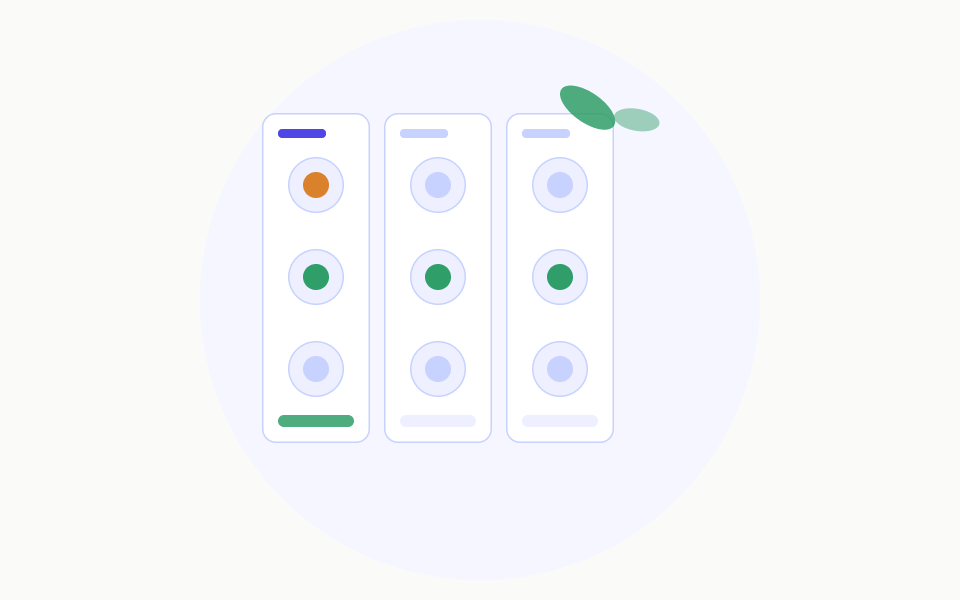
The single most useful view is a weekly board or calendar showing, per day, which key nutrients were covered. What you're looking for is patterns over a week, not perfection per day. If iron is unchecked four days running, that's the signal to add lentils or tofu and a squeeze of lemon. If B12 only shows up on days you remember the supplement, that's a reminder to make it daily and automatic.
This weekly lens is the whole philosophy: nutrition is a rolling average, not a daily exam. Missing iron one Tuesday is meaningless; missing it most of the month matters.
Supplements deserve their own row
B12 and often vitamin D and omega-3 are realistically going to come from supplements for many vegans, and that's completely fine, it's the smart move, not a failure. Give supplements explicit rows in your Foods library and check them off daily. The system should make taking your B12 a visible, trackable habit, because consistency there matters more than any single meal.
Keep it sustainable
The reason most nutrition trackers get abandoned is friction. Design against that from the start:
- Log foods, not grams. Tagging a meal with the nutrients it covers takes seconds; weighing portions does not, and you'll stop doing it.
- Build the Foods library once. After a couple of weeks your common meals are all in there, and logging becomes picking from a list.
- Review weekly, not daily. Five minutes on Sunday to scan the week's coverage and plan a meal or two to fill gaps.
- Don't chase 100%. The goal is reliable coverage of the at-risk nutrients, not a perfect score every day.
A note on limits
This is a habit-and-coverage tool, not a medical one. If you suspect a genuine deficiency, fatigue, low iron symptoms, anything persistent, get bloodwork and talk to a professional. A Notion tracker is great for building consistent habits around the nutrients vegans commonly miss; it's not a substitute for actual testing when something feels off.
The takeaway
A good vegan nutrition tracker isn't a calorie diary, it's a coverage map for the short list of nutrients plant diets tend to under-deliver. Three small linked databases in Notion, a Foods library you build once, and a weekly view that shows patterns rather than demanding daily perfection, that's enough to make sure the protein, B12, iron, and omega-3 are actually there, without making eating feel like accounting.